Quick Navigation
- Weather Overview at a Glance
- Spring (March–May): Blooming but Misty
- Summer (June–August): Hot, Humid, Typhoon Season
- Autumn (September–November): The Sweet Spot
- Winter (December–February): Mild but Windy
- How to Avoid Crowds in Xiamen
- What to Pack for Each Season
- Common Mistakes Tourists Make
- Frequently Asked Questions
Let me guess — you've been staring at weather apps and conflicting blog posts, still unsure when to book your Xiamen trip. I've been guiding travelers here for years, and I'll cut the noise. October to December is objectively the best time: clear skies, low humidity, and manageable crowds. But there's more to it than just picking a month. Let me walk you through the realities of each season so you don't end up sweating through your shirt or staring at gray drizzle.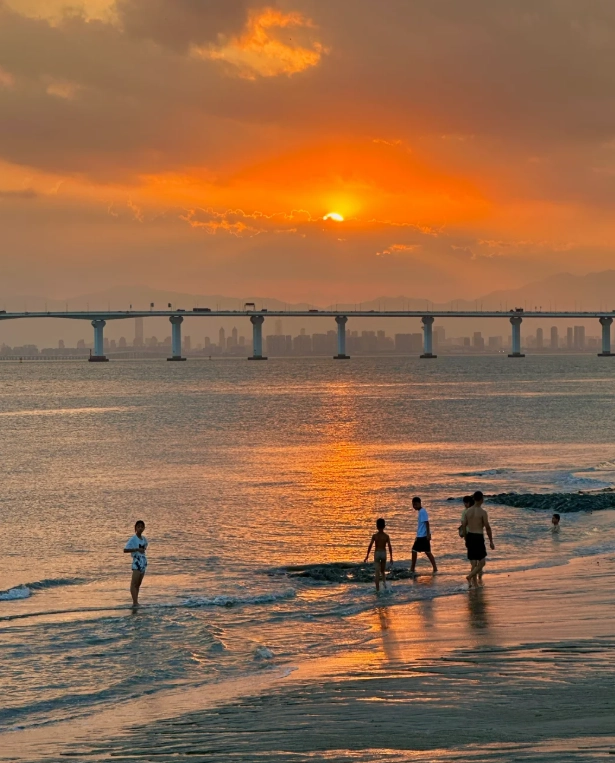
Weather Overview at a Glance
Xiamen has a subtropical monsoon climate — mild winters and hot, humid summers. Here's a quick table to compare seasons at a glance:
| Season | Avg Temp (°C) | Rainfall | Crowd Level | Best For |
|---|---|---|---|---|
| Spring (Mar–May) | 15–25 | Moderate to high | Medium | Flowers, hiking |
| Summer (Jun–Aug) | 28–35 | High, typhoon risk | High (July–Aug) | Beach, nightlife |
| Autumn (Sep–Nov) | 20–28 | Low | Low to medium | Sightseeing, photography |
| Winter (Dec–Feb) | 10–18 | Very low | Low (except CNY) | Budget travel, food tours |
Spring (March–May): Blooming but Misty
Spring is when Xiamen’s parks and mountains explode with color — azaleas, kapok, and jacaranda. Temperatures are pleasant for walking, but here's the catch: March and April are foggy and drizzly. Not heavy rain, but that persistent mist that makes everything feel damp and reduces visibility. If you're after clear photos of Gulangyu's colonial architecture, you might be disappointed. I've had clients arrive expecting postcard-perfect views, only to see a gray haze.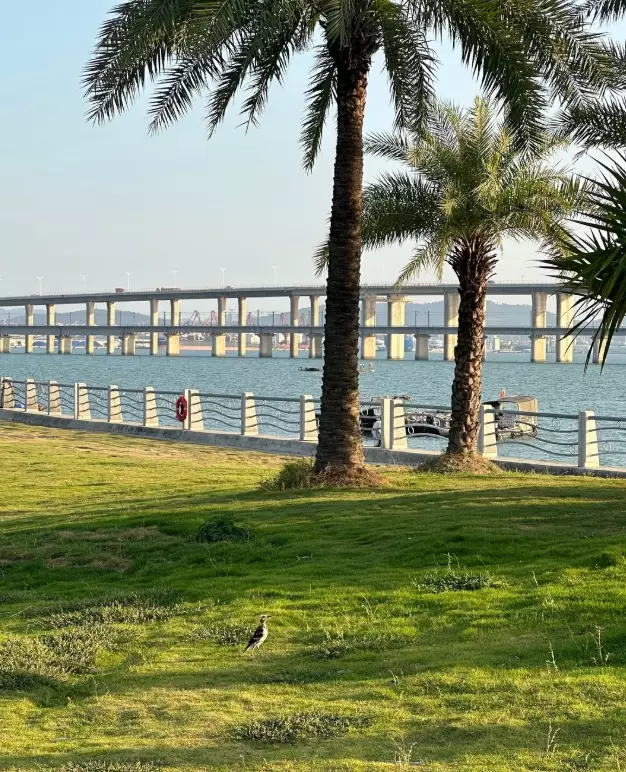
Pros: Lush greenery, fewer tourists than summer, comfortable for hiking Wanshi Mountain.
Cons: Random showers, slippery boardwalks, and some outdoor activities (like the sea viewing platform) feel less enjoyable.
Tip: Bring a lightweight rain jacket and plan indoor backup — Xiamen Museum or the OUCG Bookstore are great for a rainy afternoon.
Summer (June–August): Hot, Humid, and Typhoon Season
Summer in Xiamen is intense. You step out of your hotel and immediately feel the wet blanket of humidity. June to August is also the typhoon season — not every week, but when one hits, flights and ferry services to Gulangyu shut down suddenly. I've been stuck with clients at the pier waiting for hours. July and August are peak domestic tourism month (summer holidays), so attractions like Gulangyu and Zhongshan Road are packed shoulder-to-shoulder.
Pros: Best time for beach lovers (Huangcuo Beach, Jimei Beach). Night markets are buzzing.
Cons: You'll sweat within 5 minutes outdoors. Air conditioning is everywhere, but be prepared for sudden downpours.
Insider tip: If you must visit in summer, plan all outdoor activities before 10am. After 2pm, seek indoor spots like the Gulangyu Piano Museum. Also, never trust a weather forecast beyond 48 hours in summer — check the local typhoon warning on the China Weather website daily.
Autumn (September–November): The Sweet Spot
This is the season I always recommend to friends. September still has some lingering summer heat, but from October to November, you get the Goldilocks zone: 20–26°C, low humidity, and clear skies. The light is perfect for photography — golden hour over the Egret Island Bridge is stunning. Crowds are thin because domestic holidays are over (except National Day week October 1–7, which you MUST avoid unless you enjoy queueing for hours).
Pros: Best weather for exploring Gulangyu on foot, cycling around Xiamen University, or taking the cable car up to Sunlight Rock.
Cons: None really, except that October is still warm for those who prefer cooler temps.
My personal routine: I start the day with a walk along the Seaside Promenade (Haibin) before 9am, then explore Gulangyu until lunch, and spend the afternoon at a cafe near Zengcuoan. No sweating, no rain.
Winter (December–February): Mild but Windy
Winter in Xiamen is nothing like northern China. Daytime temperatures hover around 15°C, but the wind off the sea can make it feel much colder. December to February is the driest period — you'll see very little rain. The biggest downside? Chinese New Year (late January or early February) turns Xiamen into a domestic travel frenzy. Prices for hotels double, and Gulangyu ferries require tickets booked weeks in advance. Outside of that window, though, it's quiet and cheap.
Pros: Lowest hotel rates (except CNY), no crowds, great for food tours (try the oyster omelet at local stalls without queuing).
Cons: Strong winds make sightseeing on the water unpleasant. Some outdoor attractions close earlier.
Packing tip: A windproof jacket is non-negotiable. Also, indoor activities like visiting the Xiamen Botanical Garden (still green in winter) or the Fujian Tulou day trip are ideal.
How to Avoid Crowds in Xiamen
Even in the best season, certain spots get packed. Here’s how I dodge the masses:
- Avoid Chinese public holidays: Golden Week (Oct 1–7), Labor Day (May 1–3), and Chinese New Year (Jan/Feb). These turn Xiamen into a human sea.
- Book Gulangyu ferry tickets early: During peak season, tickets sell out 3 days ahead. Book via the official WeChat mini-program (search)or ask your hotel to help. Don't wait until the day before.
- Visit popular spots at opening time: Nanputuo Temple opens at 5:30am — go then, not at 10am when tour groups arrive.
What to Pack for Each Season
I've seen travelers with the wrong luggage suffer. Here's a cheat sheet:
- Spring/Fall: Light layers, a light jacket, comfortable walking shoes, umbrella for spring.
- Summer: Breathable clothing (cotton/linen), sun hat, sunscreen (SPF 50+), portable fan, quick-dry towel.
- Winter: Windbreaker, scarf, thermal layer if you're sensitive to cold, but no heavy coat needed.
Common Mistakes Tourists Make When Planning Xiamen Visit
- Trusting weather apps blindly: Xiamen's microclimate can change fast. Use the official China Meteorological Administration site or the "Weather China" app — they have local radar.
- Assuming summer is great for beaches: Yes, but the water is often murky due to tides, and rip currents can be dangerous. Stick to designated swimming areas.
- Not booking accommodation in advance: During peak season, hotels near Zhongshan Road or Zengcuoan fill up fast. I guide my clients to book at least 2 weeks ahead for autumn.
Frequently Asked Questions
Verified and fact-checked by the editorial team.